Sushi vs. Sashimi: Understanding the Difference
Walk into any Japanese restaurant and you will find both sushi and sashimi on the menu. While these two dishes are often mentioned together, they are actually quite different. Understanding the distinction can help you order with confidence and enjoy each dish to the fullest.
What Is Sushi?
Contrary to popular belief, the word "sushi" does not refer to raw fish. It actually refers to the vinegared rice that serves as the foundation of the dish. Sushi can be topped or filled with a wide variety of ingredients, including raw fish, cooked seafood, vegetables, and even egg.
Common types of sushi include:
- Nigiri: A slice of fish or seafood draped over a small mound of rice
- Maki: Rice and fillings rolled inside seaweed (nori)
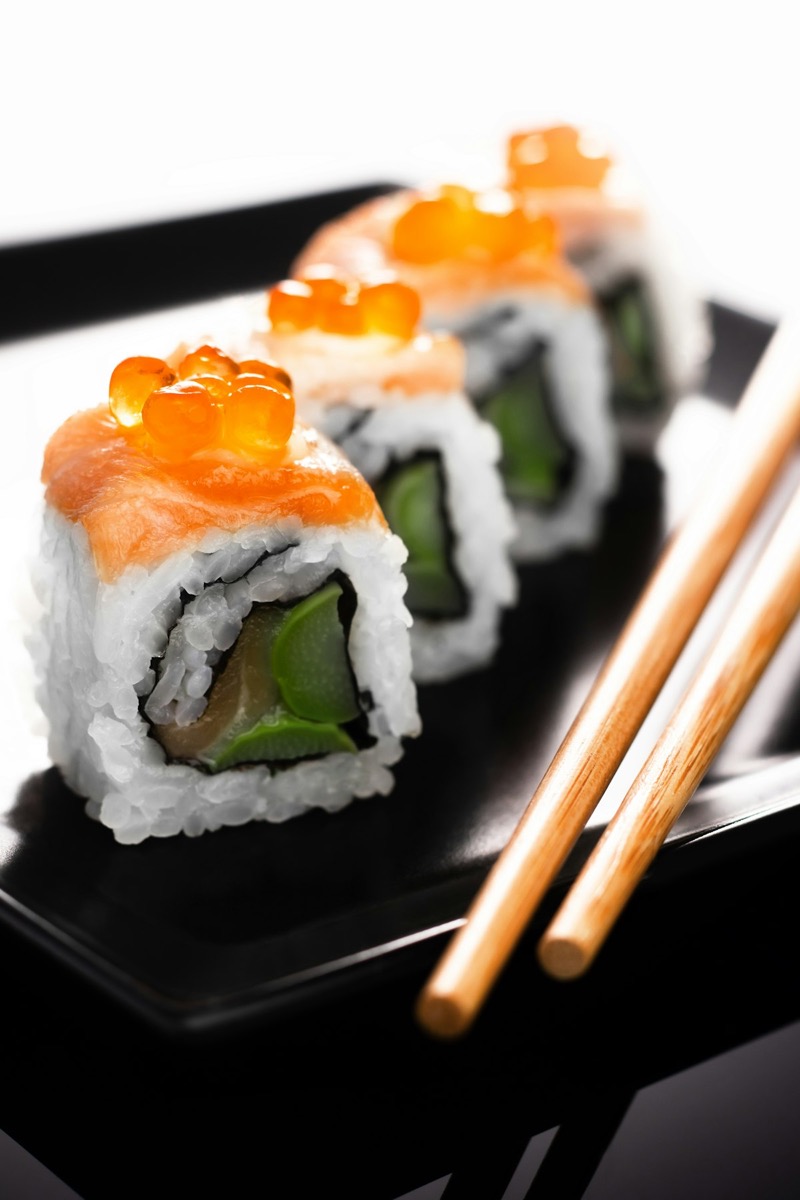
- Uramaki: Inside-out rolls where the rice is on the outside
- Temaki: Hand-rolled cone shapes filled with rice, fish, and vegetables
What Is Sashimi?
Sashimi is much simpler in concept but demands the highest quality ingredients. It consists of thinly sliced raw fish or seafood, served without rice. The focus is entirely on the purity and freshness of the fish itself.
At Cho Cho San, our sashimi is sliced to order, ensuring every piece has the ideal thickness and temperature. Popular sashimi choices include tuna, salmon, yellowtail, and octopus.
Key Differences at a Glance
- Rice: Sushi always includes vinegared rice; sashimi never does
- Preparation: Sushi involves shaping, rolling, or pressing; sashimi is simply sliced
- Ingredients: Sushi can include cooked items; sashimi is always raw
- Accompaniments: Sushi is often dipped in soy sauce as a unit; sashimi is served with soy sauce, wasabi, and pickled ginger on the side
Which Should You Order?
If you love the interplay of flavors — the tangy rice, the creamy fish, the crunch of vegetables — sushi rolls are the way to go. If you want to truly taste the ocean and appreciate the quality of the fish, sashimi lets the ingredient speak for itself.
The best approach? Order both. At Cho Cho San, our combo platters let you experience the best of both worlds. Check out our full menu to find the perfect combination for your next meal.
Back to Blog